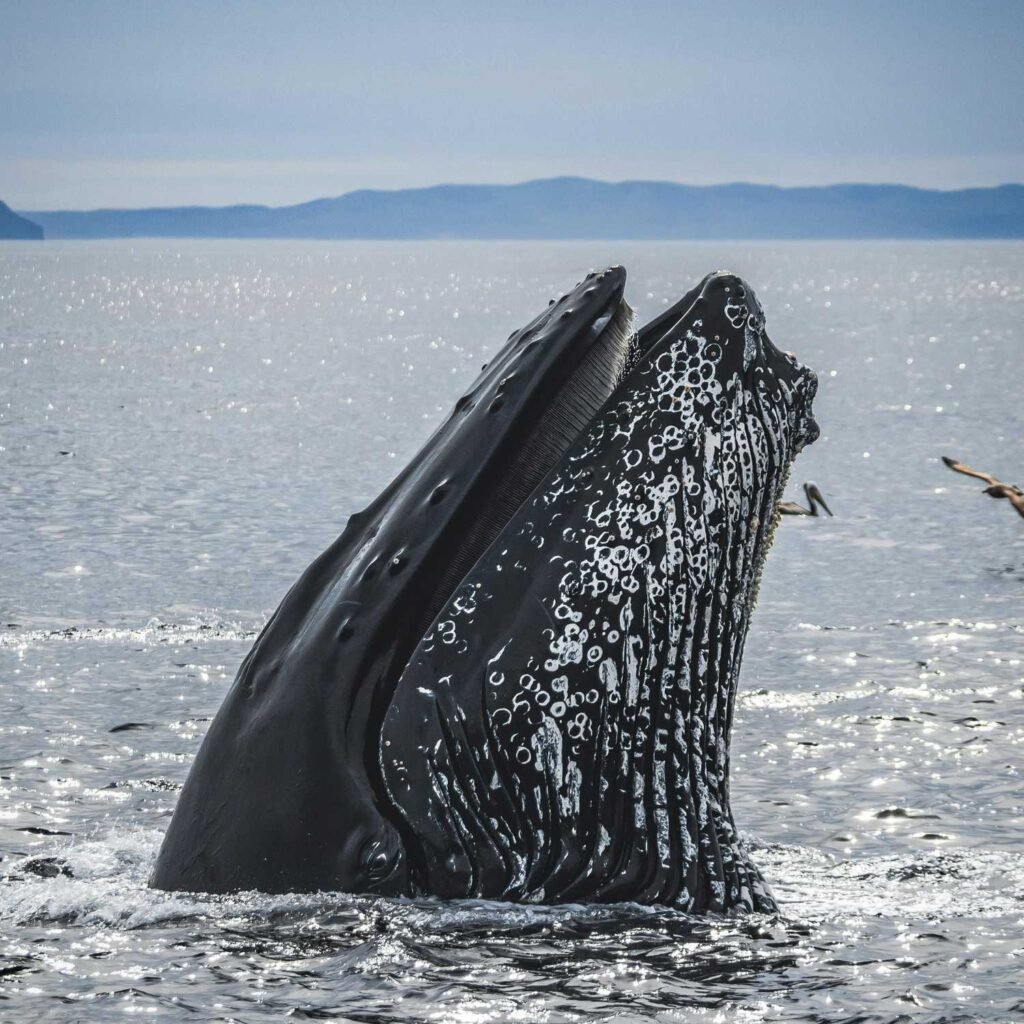
The whale is the largest animal that has ever lived on earth. The blue whale, at its full length, exceeds the size of any dinosaur that has been discovered, and its heart is large enough for a human being to crawl through. Yet for all its extraordinary physical dimensions, the whale moves through the ocean with a gentleness and a grace that consistently astonishes everyone who witnesses it. It does not crash through its world. It glides. It breathes. It sings. And in its singing, it produces some of the most complex, haunting, and deeply moving sounds in all of nature, sounds that travel hundreds of miles through the deep ocean, carrying information and connection across distances that no other voice can reach.
When the whale spirit animal enters your life, it arrives as one of the most ancient and most vast of all spirit animal guides. It is not a teacher of speed or sharpness or clever survival. It is a teacher of depth: the depth of emotional intelligence, of ancestral memory, of the long, patient wisdom that only accumulates across decades and centuries of genuine engagement with existence. If the whale has found you through a spirit animal quiz, a powerful dream, an encounter at sea, or a lifelong sense of kinship with these magnificent beings, this guide explores the full spiritual meaning and symbolism of the whale totem.
Your spirit animal reveals how you think, feel, and move through the world.
The spiritual meaning of the whale is rooted in its most extraordinary qualities in the natural world: its song, its size, its longevity, and its relationship to the deep. The whale does not live at the surface. It surfaces to breathe, to breach, to communicate across vast distances with its haunting calls, and then it returns to the depths where the real substance of its life unfolds. Spiritually, this relationship between the surface and the deep is one of the whale’s most important teachings: the understanding that what is visible and accessible in our lives is only a fraction of what is actually happening. The real processes, the real wisdom, the real emotional and spiritual content of our experience, lives in the depths below the ordinary surface of awareness.
The whale’s song is its most spiritually significant quality and the one that has captured human imagination most completely. Humpback whales produce songs of extraordinary complexity that can last for hours and are transmitted and modified across entire ocean populations over years. No one fully understands what whale song is for or what it contains. Its beauty and its mystery have led every culture that has lived near the ocean to attribute to it a sacred significance: the whale is singing something that we cannot yet hear clearly, and the spiritual invitation is to develop the sensitivity and the stillness to listen more carefully.
The spiritual meaning of the whale is also deeply connected to the theme of emotional healing. The whale lives in the water, the element associated across virtually every world tradition with the emotional realm, with the unconscious, with the depth of feeling that underlies ordinary awareness. The whale’s enormous capacity, its ability to dive to extraordinary depths and to sustain itself in the darkest and most pressured places of the ocean, translates spiritually into the invitation to do the same with your own emotional life: to be willing to go all the way down into what you are actually feeling, rather than managing the surface, and to trust that the capacity to breathe and to resurface is always available when you need it.
For the Indigenous coastal peoples of the Pacific Northwest, including the Haida, Tlingit, and many other nations, the whale occupies one of the most sacred positions in the entire spiritual and cultural tradition. The orca, or killer whale, is particularly significant in these traditions, understood as a transformation of the human spirit, a being that moves between the ocean world and the human world, and a powerful ancestral guardian whose image appears on totem poles, in clan crests, and in ceremonial art across the region. The orca’s extraordinary intelligence, its tight family bonds, and its complex social structures have made it a symbol of the best qualities of human community: the loyalty, the cooperation, the shared knowledge across generations, and the fierce protection of those who belong to the pod.
For the Maori of Aotearoa New Zealand, whales, known as tohorā, hold a sacred status as the guardians of the ocean and as beings that embody the mana, the spiritual authority and life force, of the sea itself. The stranding of a whale on a shore was traditionally understood as a profoundly significant event, as a gift of enormous resources but also as a spiritual communication requiring ceremony and respect. The sperm whale in Maori tradition is associated with Tangaroa, the god of the sea, and with the deepest dimensions of the ocean’s power and knowledge.
In many Aboriginal Australian traditions, whales are deeply embedded in the Dreamtime stories that describe the creation of the land, the sea, and the relationships between all living things. The whale is understood as one of the most ancient of all beings, a creature whose consciousness predates almost everything else in the living world, and whose presence in the ocean is a reminder of the extraordinary depth and antiquity of life on earth. In some Dreamtime traditions, whales are understood as the guardians of the ocean’s sacred songs, the keepers of the vibrational frequencies that maintain the health and the balance of the marine world.
In Norse mythology and in the broader tradition of Northern European seafarers, the whale appears as both a creature of enormous and potentially dangerous power and as a symbol of the ocean’s mystery and abundance. The giant whale was sometimes confused with an island, a mythological image that speaks to the whale’s association with scale and with the sublime: the encounter with something so much larger than ordinary human experience that it challenges the boundaries of comprehension. For Norse and Icelandic communities that depended on the sea for survival, the whale was simultaneously one of the ocean’s most valuable gifts and one of its most awe-inspiring presences, a being whose scale and whose song made the ocean feel genuinely sacred.
The whale’s most famous appearance in the Western spiritual tradition is the story of Jonah, swallowed by a great fish or whale after attempting to flee from his divine calling. Jonah spends three days in the whale’s belly, in darkness and what appears to be complete dissolution, before the whale deposits him on the shore and he accepts his calling. The spiritual meaning of Jonah’s whale is profound and multilayered: the whale’s belly becomes the place of radical transformation, the darkness that precedes a new beginning, and the necessary dissolution of the self-that-was before the self-that-is-called-to-be can emerge. The whale in this tradition is not a punishment. It is a teacher. Its darkness is the darkness of the womb before birth.
The humpback whale holds a particular spiritual significance within the broader family of whale symbolism, and this significance is inseparable from its extraordinary song. Of all the world’s whale species, the humpback produces the most complex and varied vocalizations: elaborate sequences of sounds that change and develop over time, that are shared and modified across entire populations, and that can be heard for dozens of miles through the ocean.
The humpback whale spiritual meaning centers on the power of authentic expression and the sacred nature of one’s unique voice. The humpback does not replicate the song of other species. It sings its own song, in its own voice, and that song is received across vast distances by those with the capacity to hear it. For those guided by the humpback whale’s spirit, the teaching is about the courage of full, authentic self-expression: not the performance of what others expect to hear, but the willingness to release the song that is genuinely yours, even when you cannot know how far it will travel or who will receive it.
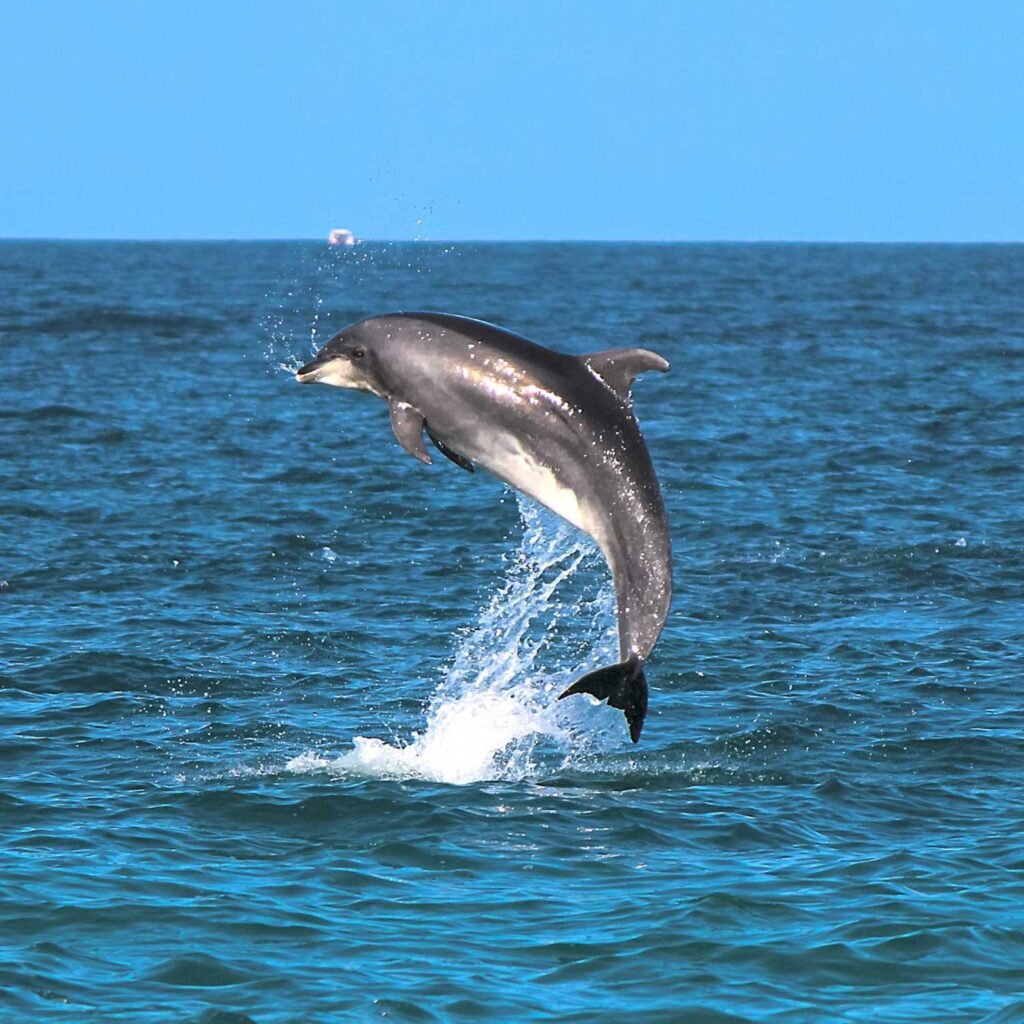
Humpback whales are also known for their spectacular breaching: hurling their enormous bodies entirely out of the water in explosions of white spray that are among the most dramatic and joyful displays in the natural world. The spiritual meaning of the humpback’s breach combines the themes of emotional release, of the joy that comes from the full expression of one’s power, and of the willingness to break the surface of ordinary existence with the full force of what you carry. The humpback does not breach quietly or partially. When it breaches, it gives everything to the moment.
Those who carry the whale as their totem animal tend to be people of extraordinary emotional depth and a quality of presence that others find both deeply comforting and occasionally overwhelming in its completeness. Whale-spirited people feel the full range of human emotion without the defenses that most people use to manage what they feel, and they have developed, over time, the capacity to be with that fullness without being destroyed by it. This emotional capacity is not weakness. It is the whale’s most distinctive and most valuable gift: the ability to carry the weight of genuine feeling and to use it as a source of wisdom and compassion rather than as a liability.
The whale totem personality is also characterized by a quality of long memory and deep continuity. Whale-spirited people tend to carry the threads of their experience across time in a way that allows them to see patterns and connections that more surface-oriented people miss. They are often deeply interested in ancestry, in tradition, in the long history of things, and in the ways that the past continues to shape the present. They are natural historians of their own lives and their communities, and their perspective tends toward the very long view.
The shadow dimension of the whale totem is the risk of becoming so immersed in the depths, in the weight of what is felt and remembered and carried, that the surface becomes inaccessible. The whale that never comes up to breathe cannot survive. Those with the whale as their spirit animal must practice the discipline of surfacing: of returning to the ordinary, the light, the joyful and the simple, with as much willingness as they bring to the deep dive. The breath that follows the dive is not a defeat. It is a necessity, and it is sacred in its own right.
As a power animal, the whale is most effectively called upon when you need emotional healing after a significant wound; when you need the courage to dive into the depths of what you are genuinely feeling rather than managing the surface; when you need the long memory and the deep wisdom of someone who has been through many seasons and carries the accumulated knowledge of that journey; or when you need the whale’s quality of vast, unhurried patience with yourself and with the process of genuine transformation.
The whale power animal is also particularly valuable when you are working with communication that needs to carry across great distance: when you are trying to express something that genuinely matters and needs to reach people who are far away emotionally or psychologically. Call on the whale when you need your communication to have the depth, the resonance, and the staying power of the humpback’s song: not the loudest voice in the room, but the one that travels the farthest and that people carry with them long after the moment of transmission has passed.
The whale’s energy is most directly accessible through water and through practices that cultivate genuine emotional depth. Spend time near or in the ocean whenever possible. Listen to recordings of whale song, particularly humpback song, with headphones and in silence: allow the sound to move through your body as well as your ears, and notice where it lands and what it opens. Whale song has been shown to affect human brainwave patterns in measurable ways, inducing states of deep relaxation and expanded awareness that are genuinely supportive of the kind of inner work the whale spirit invites.
Practice the whale’s discipline of the deep dive: regular, unhurried time in genuine emotional honesty, in meditation practices that move awareness downward into the body and the feeling self rather than upward into analysis and abstraction. And practice equally the discipline of surfacing: the willingness to return from the depths with what you have found there, to breathe it into ordinary life, and to share the gifts of your deep experience with the people and the world that need what you carry.
The depth you are afraid of is the place where your real wisdom lives. You have been managing the surface because it feels safer than the dive. But you already know how to breathe. You already know how to surface. You were built for this water. The song you are carrying has been developing for years, waiting for you to trust it enough to release it into the ocean of the world. It will travel farther than you can imagine. It will reach people you will never meet. Dive. Sing. Surface. Breathe. This is what you were made for.